
Visit SplitAn independent local guide
Menu ☰
Practical Split

Split Travel Guide

Build your stay around a few good decisions: where to sleep, how to arrive, and how much time to leave for the city itself.

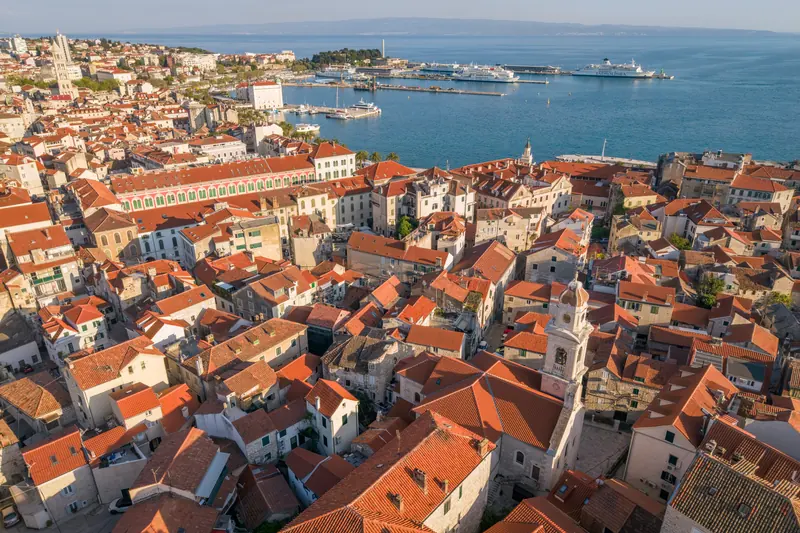
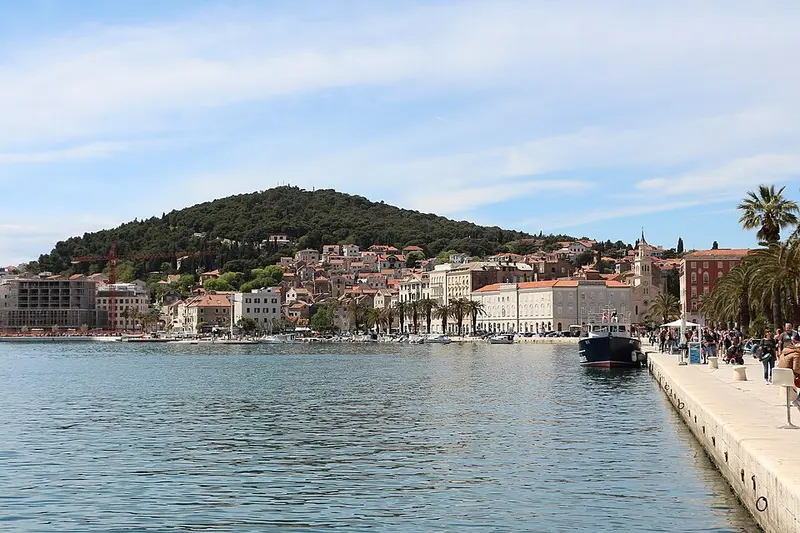
Split’s waterfront and passenger harbour viewed above the Old Town
First visitStart with the city
Useful bufferA flexible day
Booking priorityArrival & accommodation

Explore the guides

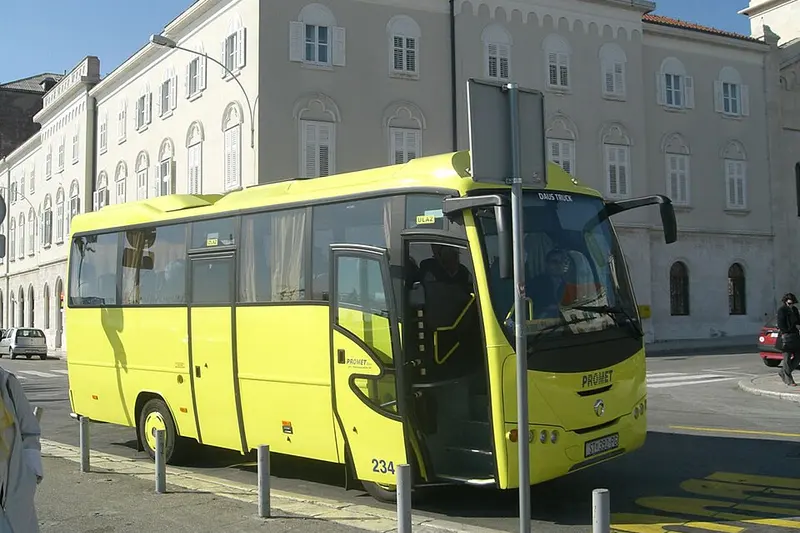
A local bus near the church of St Francis in Split
Practical Split

Getting around Split

Walk the historic centre, use transport for the longer stretches, and plan around luggage, heat and summer traffic.

Photo 15 — A local bus near the church of St Francis in Split · Credits
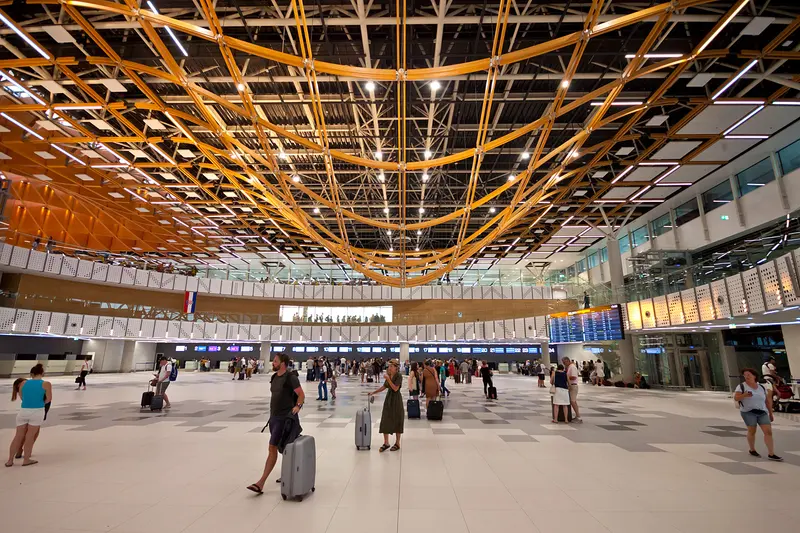
Main hall inside Split Airport terminal
Practical Split

Split Airport Guide

Split Airport’s code is SPU, and it sits outside the city towards Trogir.

Photo 8 — Main hall inside Split Airport terminal · Credits
Main hall inside Split Airport terminal
Practical Split

Split Airport to City Centre

The airport is outside the city, towards Trogir.

Photo 8 — Main hall inside Split Airport terminal · Credits
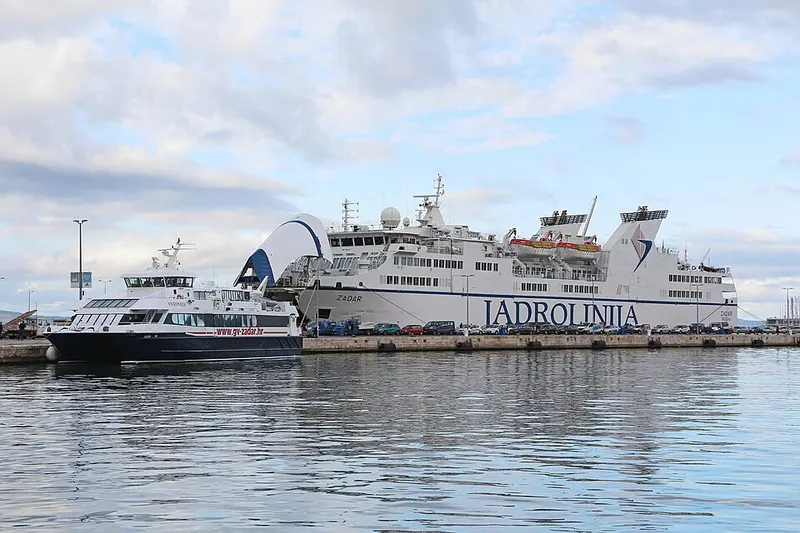
A Jadrolinija ferry at Split harbour
Practical Split

Split Ferry Port Guide

Your starting point for the islands.

Photo 13 — A Jadrolinija ferry at Split harbour · Credits
A local bus near the church of St Francis in Split
Practical Split

Split Bus Station

The main intercity bus station is beside the passenger harbour and railway station.

Photo 15 — A local bus near the church of St Francis in Split · Credits
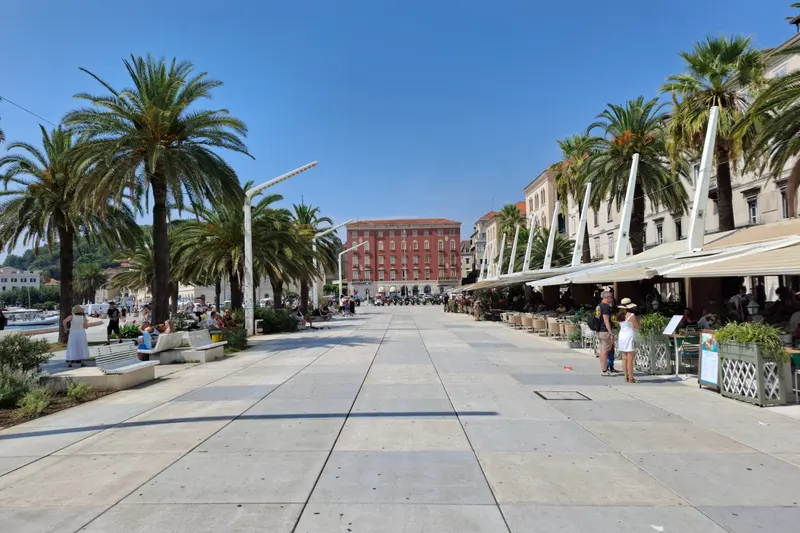
The Riva waterfront promenade in Split
Practical Split

How Many Days Do You Need in Split?

One day gives an introduction; two or three make the city easier to enjoy.

Photo 11 — The Riva waterfront promenade in Split · Credits
Marjan Hill and its tree-covered landscape in Split
Practical Split

Best Time to Visit Split

Choose the season around the trip you want: city walks, swimming or island excursions.

Photo 17 — Marjan Hill and its tree-covered landscape in Split · Credits
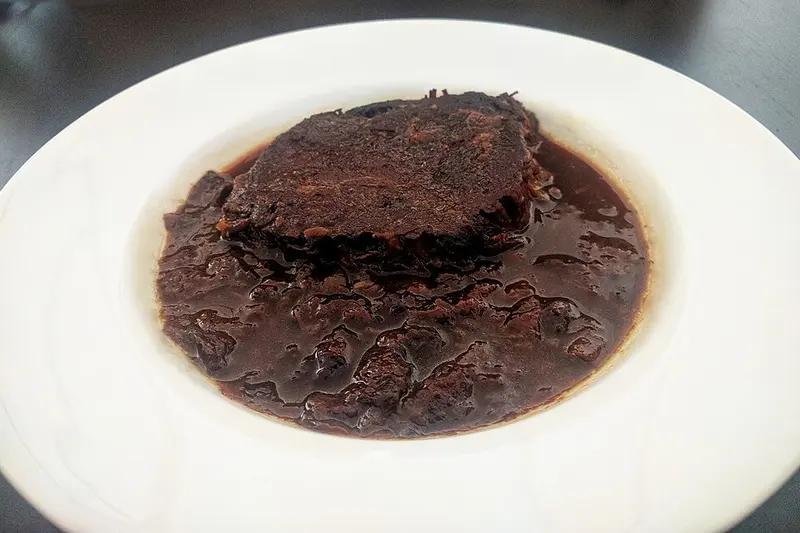
Dalmatian pašticada beef served on a plate
Practical Split

Is Split Expensive?

Your accommodation dates and paid outings usually shape the budget most.

Photo 18 — Dalmatian pašticada beef served on a plate · Credits
plan your trip

Bike Rental & Bike Sharing in Split

Compare nextbike for short city rides with a private bike or e-bike for a longer outing.

plan your trip

Mobile Internet, Roaming & eSIM in Croatia

Check your existing roaming plan first.

St Francis church at the west end of Split’s Riva
plan your trip

Places of Worship in Split for Visitors

Looking for Mass, a place to pray or a synagogue visit while you’re in Split? Here are the community contacts to use, with a few details that make arriving easier.

Photo 26 — St Francis church at the west end of Split’s Riva · Credits

How many days?

One full day gives you an introduction to the palace, waterfront and a viewpoint or a swim. Two days let you slow down and separate sightseeing from beach time. Three or more days make room for an island or mainland outing without squeezing the city into a rushed afternoon. If your trip is short, choose one outing and enjoy the time you have.

One day: keep it central

Start around the palace and its lanes, pause along the Riva, and spend the afternoon on either a Marjan viewpoint walk or a nearby beach. Leave space for a meal. If your “day” includes an arrival or departure, reduce the plan to fit the hours you really have.

Two days: add another side of Split

Keep the first day for the historic centre. Use the second for Marjan and the coast, or for more time at museums and galleries if the weather favours indoor visits. Stay flexible around heat and rain, and avoid making every meal a reservation that forces you to rush between neighbourhoods.

Three days: one journey beyond the city

With the city covered, choose one day trip. Islands need a sailing and return plan; mainland trips need a road or bus plan. An organised tour can simplify the day, but read the itinerary and terms carefully. Keep the trip away from a tight flight connection when possible.

Season and pace

Summer means longer outdoor days, more visitors and stronger heat, so give exposed walks a sensible time slot. Spring and autumn can suit sightseeing, while swimming conditions and seasonal services need checking. Winter puts more emphasis on the city itself, food and walks when the weather allows. Do not assume beach facilities or excursions operate year-round.

Before you travel

Confirm your accommodation access, airport journey, and any ferry connections. Save booking confirmations and arrival instructions offline. Use provider websites for live prices and schedules. Split is in Croatia, which uses the euro; check the full price and payment terms before confirming any booking.

Mobile data and essential cover

Before buying an eSIM, check whether your existing plan already includes Croatia, your phone is unlocked and the model supports eSIM. Compare data allowance, validity and hotspot rules; data-only plans may not include calls. For travel insurance, read the policy’s cancellation, medical and activity exclusions, and whether boat trips or adventure activities require extra cover. These are things to compare with the provider, not a recommendation of a particular insurer. Save emergency contacts and key bookings offline.

Mobile data and active worship

Read the roaming and eSIM guide before buying data, and places of worship for current community contacts and prayer arrangements.